Curved Jaw Couplings
Rokee is Curved Jaw Couplings Manufacturer, Customizable according to the curved jaw couplings drawings provided by the customer, Support Export.
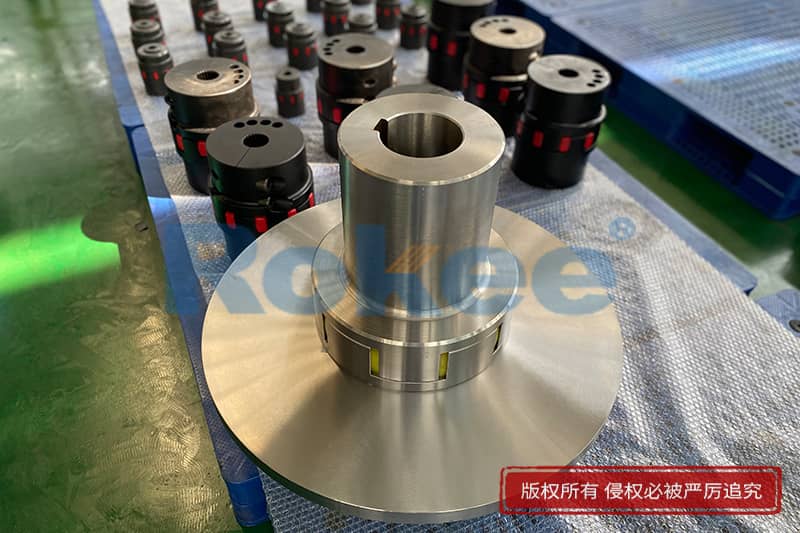

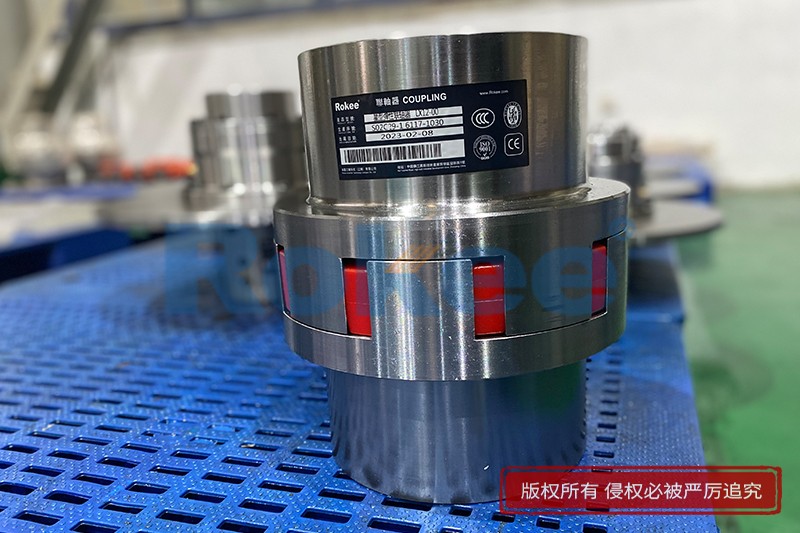
The Curved Jaw Coupling is composed of two semi-couplings with convex claws and a plum-shaped flexible non-metallic element whose hardness can be adjusted. By embedding the plum-shaped flexible element into the two semi-couplings to realize the connection, Curved Jaw Coupling has the characteristics of compensating the relative displacement of the two axes, reducing vibration and buffering, simple structure and easy maintenance without lubrication.
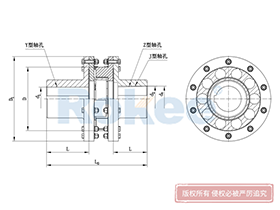
![LM/ML Plum-shaped Flexible Coupling,Curved Jaw Couplings]()
LM/ML Plum-shaped Flexible Coupling
Basic Type
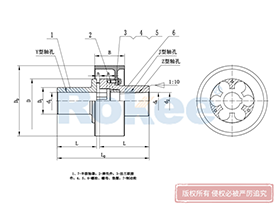
LM Plum-shaped Flexible Coupling is the basic form of this series of couplings.View More![LMD/MLZ Plum-shaped Flexible Coupling,Curved Jaw Couplings]()
LMD/MLZ Plum-shaped Flexible Coupling
Single Flange
LMD Plum-shaped Flexible Coupling is added with transition connection, which eliminates the need of axially moving the semi-coupling when replacing the elastomer.View More![LMS/MLS Plum-shaped Flexible Coupling,Curved Jaw Couplings]()
LMS/MLS Plum-shaped Flexible Coupling
Double Flange
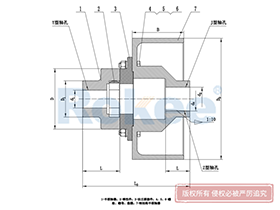
LMS Plum-shaped Flexible Coupling adopts double transition flange connection, which eliminates the need of axially moving the semi-coupling when replacing the elastomer.View More![LMZ-I/MLL-I Plum-shaped Flexible Coupling,Curved Jaw Couplings]()
LMZ-I/MLL-I Plum-shaped Flexible Coupling
Split Type, With Brake Wheel
LMZ-I Plum-shaped Flexible Coupling adopts split brake wheel design, suitable for situations where braking is required.View More![LMZ-II/MLL-II Plum-shaped Flexible Coupling,Curved Jaw Couplings]()
LMZ-II/MLL-II Plum-shaped Flexible Coupling
Integral, With Brake Wheel
LMZ- II Plum-shaped Flexible Coupling adopts integral brake wheel design, suitable for situations where braking is required.View More![LMPK/MLPK Plum-shaped Flexible Coupling,Curved Jaw Couplings]()
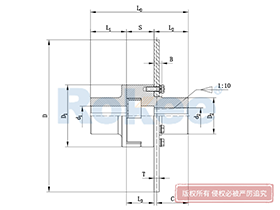
LMPK/MLPK Plum-shaped Flexible Coupling
Split Type, With Brake Discs
LMPK Plum-shaped Flexible Coupling adopts split brake disc design, suitable for situations where braking is required and eliminating the need of axially moving the semi-coupling when replacing the elastomer.View More
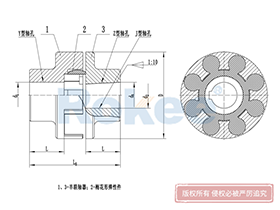
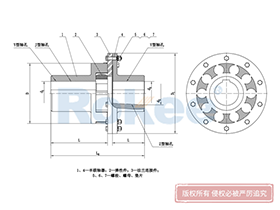
In the realm of industrial power transmission, the ability to efficiently transfer torque between rotating shafts while accommodating misalignments and reducing operational vibrations is paramount. Among the diverse range of coupling solutions available, curved jaw couplings have emerged as a versatile and reliable choice for countless industrial applications. Characterized by their compact design, maintenance-free operation, and exceptional damping capabilities, these couplings play a critical role in ensuring the smooth and efficient performance of machinery across sectors such as manufacturing, agriculture, energy, and transportation.
1. Fundamental Principles and Structural Composition
Curved jaw couplings belong to the category of material-flexing couplings, which rely on the elastic deformation of a non-metallic element to transmit torque, compensate for shaft misalignments, and dampen vibrations. Unlike rigid couplings that require precise shaft alignment and offer no vibration absorption, curved jaw couplings utilize a three-piece design that balances flexibility and torque-bearing capacity. The core structure consists of two metallic hubs with curved jaws and an elastomeric insert—commonly referred to as a "spider" due to its typical plum-shaped or star-shaped configuration—that fits snugly between the jaws of the two hubs.
The working principle of a curved jaw coupling is straightforward yet effective. When torque is applied to the driving shaft, it is transferred to the corresponding hub, which then exerts compressive force on the elastomeric spider. The spider, in turn, transmits this torque to the second hub and ultimately to the driven shaft. The curved profile of the jaws and the elastic properties of the spider are key to the coupling’s performance. The curved jaw design reduces stress concentrations on the spider, minimizing wear and extending service life, while the spider’s elasticity allows for the compensation of three types of shaft misalignment: angular (where shafts are tilted relative to each other), radial (where shafts are offset parallel to each other), and axial (where shafts move along their longitudinal axes). Additionally, the elastomeric material acts as a buffer, absorbing shock loads and reducing rotational vibrations, which protects both the coupling and the connected machinery.
A notable feature of curved jaw couplings is their fail-safe design. In the event of elastomeric spider failure—whether due to wear, fatigue, or extreme operating conditions—the metallic jaws of the two hubs will engage directly, allowing for continued torque transmission. While this emergency operation is not intended for long-term use, it prevents sudden machinery shutdowns, which can be critical in applications where uninterrupted operation is essential to avoid costly downtime.
2. Material Selection: Balancing Performance and Durability
The performance and service life of a curved jaw coupling are heavily influenced by the materials chosen for its components. Each part—the metallic hubs and the elastomeric spider—must be selected based on the specific requirements of the application, including torque load, operating speed, temperature range, environmental conditions, and misalignment tolerance.
2.1 Metallic Hubs
The hubs of curved jaw couplings are typically manufactured from metallic materials that offer high strength, rigidity, and resistance to wear and fatigue. The most common materials include:
- Carbon Steel (e.g., 45# steel): A cost-effective option with excellent tensile strength and torque-bearing capacity, making it suitable for medium to heavy-duty applications. Carbon steel hubs are widely used in industrial machinery such as pumps, compressors, and gearboxes.
- Aluminum Alloy: Ideal for light-duty applications and high-speed operations due to its low density and high strength-to-weight ratio. Aluminum hubs reduce the overall moment of inertia of the coupling, which is crucial in servo systems and other motion control applications where precision and rapid acceleration/deceleration are required.
- Cast Iron and Nodular Iron: Offer superior damping properties and resistance to impact loads, making them suitable for heavy-duty applications in harsh environments, such as construction equipment and agricultural machinery.
The choice of hub material also affects the coupling’s maximum operating speed and torque capacity. For example, steel hubs can handle higher torque loads than aluminum hubs, while aluminum hubs are better suited for high-speed applications due to their lighter weight, which minimizes centrifugal forces at high rotational speeds.
2.2 Elastomeric Spiders
The spider is the heart of a curved jaw coupling, as it is responsible for torque transmission, misalignment compensation, and vibration damping. The material of the spider must therefore possess a unique combination of elasticity, wear resistance, temperature stability, and chemical resistance. The most commonly used materials for spiders include:
- Polyurethane: The most popular choice for spider materials, offering an excellent balance of elasticity, wear resistance, and chemical resistance. Polyurethane spiders are available in different shore hardness levels (typically 80A, 92A, 95/98A, and 64D), allowing users to tailor the coupling’s performance to their specific needs. Softer polyurethane (lower shore hardness) provides superior vibration damping and misalignment compensation, while harder polyurethane offers higher torsional stiffness and torque capacity. Polyurethane is also resistant to oil, grease, dirt, moisture, and ozone, making it suitable for a wide range of industrial environments.
- Hytrel: A thermoplastic elastomer that offers excellent high-temperature resistance (up to 110°C or higher) and torsional stiffness. Hytrel spiders are ideal for applications where operating temperatures exceed the limits of polyurethane, such as in high-temperature pumps or industrial ovens.
- Polyamide (Nylon): Known for its high-temperature resistance and chemical stability, polyamide spiders are suitable for applications exposed to harsh chemicals or extreme temperatures. However, they offer lower elasticity than polyurethane, making them less effective for vibration damping.
The design of the spider also contributes to its performance. Many modern curved jaw couplings feature double-crowned spiders, which have both radial and axial curvature. This design eliminates edge pressure caused by misalignment, reducing wear and extending the spider’s service life. Additionally, the double-crowned profile ensures uniform load distribution across the spider, improving torque transmission efficiency.
3. Types of Curved Jaw Couplings and Their Applications
Curved jaw couplings are available in a variety of configurations to suit different application requirements. The primary variations are based on hub design, mounting style, and the inclusion of additional features such as brake wheels or discs. Below are the most common types and their typical applications:
3.1 Standard Curved Jaw Couplings
Standard curved jaw couplings are the most basic configuration, featuring two simple hubs and a plum-shaped spider. They are available in both inch and metric bore sizes, with maximum bore diameters up to 200 mm (7.63 inches) and nominal torque capacities ranging from a few newton-meters to over 27,000 Nm. These couplings are suitable for a wide range of light, medium, and heavy-duty applications, including connecting electric motors to pumps, fans, blowers, conveyors, and gearboxes. Their compact design and maintenance-free operation make them a popular choice in general industrial settings.
3.2 Flanged Curved Jaw Couplings
Flanged curved jaw couplings feature one or two flanges on the hubs, which facilitate easy installation and replacement of the spider without the need to axially move the connected shafts. Single-flange (LMD type) and double-flange (LMS type) configurations are available, with the double-flange design offering greater flexibility in installation. These couplings are ideal for applications where shaft access is limited or where frequent spider replacement is anticipated, such as in continuous-process manufacturing lines.
3.3 Curved Jaw Couplings with Brake Components
For applications requiring braking functionality, curved jaw couplings can be equipped with brake wheels or discs. These couplings are available in split or integral brake wheel designs. Split brake wheel couplings allow for easy installation without disassembling the shaft, while integral brake wheel couplings offer higher rigidity and torque capacity. Brake-equipped curved jaw couplings are commonly used in applications such as cranes, hoists, conveyors, and generator sets, where precise braking and torque transmission are essential.
3.4 Zero-Backlash Curved Jaw Couplings
Zero-backlash curved jaw couplings are designed for precision motion control applications, such as servo systems, machine vision systems, and semiconductor manufacturing equipment. These couplings feature a press-fit between the hubs and the spider, eliminating any play or backlash in the system. The curved jaw profile ensures that the spider remains in constant contact with the hubs, providing precise torque transmission and position control. Zero-backlash couplings are typically made from aluminum hubs and high-precision polyurethane spiders, making them lightweight and suitable for high-speed operations.
3.5 Cardan Curved Jaw Couplings
Cardan curved jaw couplings feature a unique cardan joint design that doubles the angular misalignment capability of standard curved jaw couplings and accommodates significantly larger radial misalignments. These couplings are ideal for applications where shaft misalignment is substantial, such as in agricultural machinery, construction equipment, and off-road vehicles. Cardan curved jaw couplings maintain the same benefits as standard models—zero backlash, no lubrication required, and vibration damping—while offering enhanced misalignment compensation.
4. Installation, Maintenance, and Troubleshooting
Proper installation and maintenance are essential to ensure the optimal performance and long service life of curved jaw couplings. Unlike many other types of couplings, curved jaw couplings require minimal maintenance, but following best practices during installation and operation can prevent premature failure and costly downtime.
4.1 Installation Guidelines
The installation process for curved jaw couplings involves several key steps to ensure proper alignment and torque transmission:
1. Safety First: Before beginning installation, disconnect all power to the machinery to prevent accidental startup. Ensure that the work area is clear of debris and that appropriate personal protective equipment (PPE) is worn.
2. Clean and Inspect Components: Thoroughly clean the shafts of the driving and driven machinery to remove any dirt, rust, or grease. Inspect the coupling hubs and spider for any signs of damage, such as cracks, wear, or deformation. Replace any damaged components before installation.
3. Shaft Alignment: Proper shaft alignment is critical to the performance of the coupling. Misalignment beyond the coupling’s allowable limits can cause excessive wear, vibration, and premature failure. Use alignment tools such as dial indicators or laser alignment systems to check for angular, radial, and axial misalignment. Adjust the machinery as needed to ensure that misalignment is within the manufacturer’s recommended limits (typically up to 1.3° for angular misalignment and 0.2 mm for radial misalignment).
4. Mount the Hubs: Slide the hubs onto the driving and driven shafts, ensuring that the shafts are inserted to the recommended depth (as specified by the coupling’s dimensions). For set-screw hubs, tighten the set screws to the recommended torque using a torque wrench. For clamp-style hubs, ensure that the clamp bolts are evenly tightened to avoid damaging the shaft.
5. Install the Spider: Place the elastomeric spider between the two hubs, ensuring that it fits securely into the curved jaws. Verify that the spider is properly seated and that there is no interference between the coupling components.
6. Final Inspection and Test Run: After installation, perform a final inspection to ensure that all components are properly installed and that there is no contact between the coupling and any non-rotating parts. Conduct a test run at low speed for approximately 10 minutes, checking for unusual vibrations, noise, or overheating. If any issues are detected, stop the machinery immediately and investigate the cause.
4.2 Maintenance Practices
One of the key advantages of curved jaw couplings is their maintenance-free operation, as they do not require lubrication. However, regular inspections are recommended to ensure optimal performance:
- Visual Inspections: Periodically inspect the coupling for signs of wear, such as cracks in the hubs, degradation of the spider (e.g., hardening, cracking, or discoloration), or loose fasteners. Pay particular attention to the spider, as it is the wear component of the coupling.
- Check Alignment: Over time, machinery can shift, leading to increased misalignment. Recheck shaft alignment periodically and adjust as needed.
- Replace the Spider: The elastomeric spider will eventually wear out due to repeated compression and deformation. Replace the spider at the first sign of significant wear or when it no longer provides adequate vibration damping. For flanged couplings, the spider can be replaced without moving the shafts, simplifying maintenance.
4.3 Troubleshooting Common Issues
Despite proper installation and maintenance, curved jaw couplings may occasionally experience issues. Below are common problems and their possible causes and solutions:
- Excessive Vibration: Possible causes include misalignment, a worn or damaged spider, or unbalanced shafts. Check the shaft alignment and replace the spider if necessary. If vibration persists, inspect the shafts for balance.
- Unusual Noise: Noise such as squeaking or rattling may indicate a loose spider, worn jaws, or misalignment. Tighten any loose fasteners, inspect the spider and jaws for wear, and recheck alignment.
- Overheating: Overheating can be caused by excessive misalignment, overloading, or a damaged spider. Reduce the load on the machinery, check alignment, and replace the spider if needed.
- Spider Failure: Premature spider failure may be due to overloading, excessive misalignment, exposure to extreme temperatures or chemicals, or improper installation. Address the root cause (e.g., adjust alignment, reduce load, or select a more suitable spider material) before replacing the spider.
5. Future Trends in Curved Jaw Coupling Technology
As industrial machinery becomes more advanced, with increasing demands for precision, efficiency, and sustainability, curved jaw coupling technology is evolving to meet these needs. Several key trends are shaping the future of these couplings:
5.1 Advanced Material Development
Research and development in elastomeric materials are leading to the creation of spiders with enhanced properties, such as higher temperature resistance, improved chemical resistance, and longer service life. For example, new polyurethane formulations are being developed that can withstand temperatures up to 150°C, expanding the range of applications for curved jaw couplings. Additionally, the use of recycled and sustainable materials in hub manufacturing is becoming more prevalent, aligning with global efforts to reduce environmental impact.
5.2 Smart Monitoring Capabilities
The integration of smart sensors into curved jaw couplings is enabling real-time monitoring of performance metrics such as temperature, vibration, and torque. These sensors can detect early signs of wear or failure, allowing for predictive maintenance and reducing unplanned downtime. Smart couplings are particularly valuable in critical applications such as power generation and aerospace, where reliability is paramount.
5.3 Customization and Precision Manufacturing
Advancements in manufacturing technologies such as 3D printing and CNC machining are enabling the production of custom curved jaw couplings tailored to specific application requirements. Custom designs can optimize performance for unique torque loads, misalignment conditions, and space constraints. Additionally, precision manufacturing processes are improving the accuracy and consistency of coupling components, leading to better performance and reliability.
5.4 Integration with Electric and Hybrid Systems
As the industrial sector shifts toward electric and hybrid machinery, curved jaw couplings are being adapted to meet the specific needs of these systems. Electric motors often operate at higher speeds and require precise torque transmission, making zero-backlash curved jaw couplings an ideal choice. Additionally, couplings with enhanced electrical insulation properties are being developed to protect sensitive electronic components from electrical surges.
6. Conclusion
Curved jaw couplings have established themselves as a reliable and versatile solution for power transmission applications across a wide range of industries. Their unique three-piece design, combining metallic hubs and an elastomeric spider, provides an optimal balance of torque transmission, misalignment compensation, and vibration damping. The selection of appropriate materials for hubs and spiders, combined with proper installation and maintenance, ensures that these couplings deliver long service life and consistent performance.
As industrial technology continues to advance, curved jaw couplings are evolving to meet the growing demands for precision, efficiency, and sustainability. Advanced materials, smart monitoring capabilities, customization, and adaptation to electric systems are driving innovation in coupling design, expanding their application range and enhancing their performance.
Whether in light-duty servo systems or heavy-duty industrial machinery, curved jaw couplings play a critical role in ensuring the smooth and efficient operation of power transmission systems. By understanding their principles, selecting the right type for the application, and following best practices for installation and maintenance, engineers and operators can maximize the performance and reliability of their machinery, reducing downtime and improving overall productivity.
« Curved Jaw Couplings » Post Date: 2023/12/26
URL: //5008517517.com/en/tags/curved-jaw-couplings.html