Teeth Couplings
Rokee is Teeth Couplings Manufacturer, Customizable according to the teeth couplings drawings provided by the customer, Support Export.
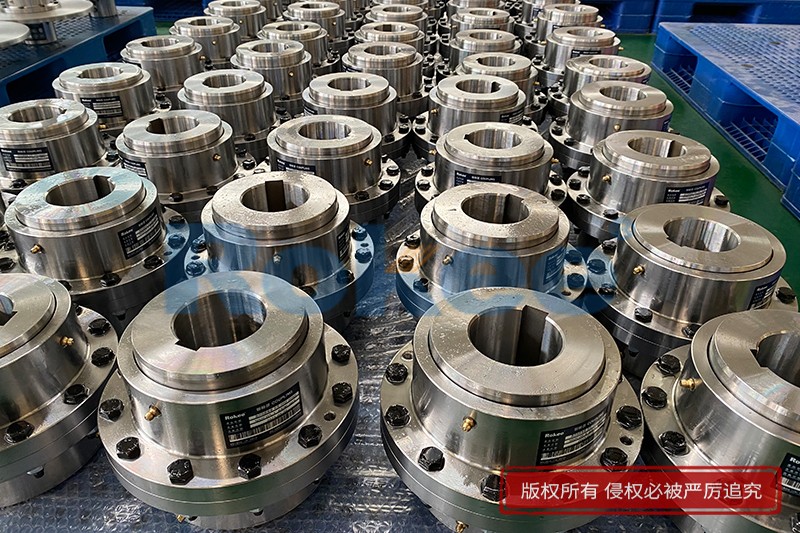
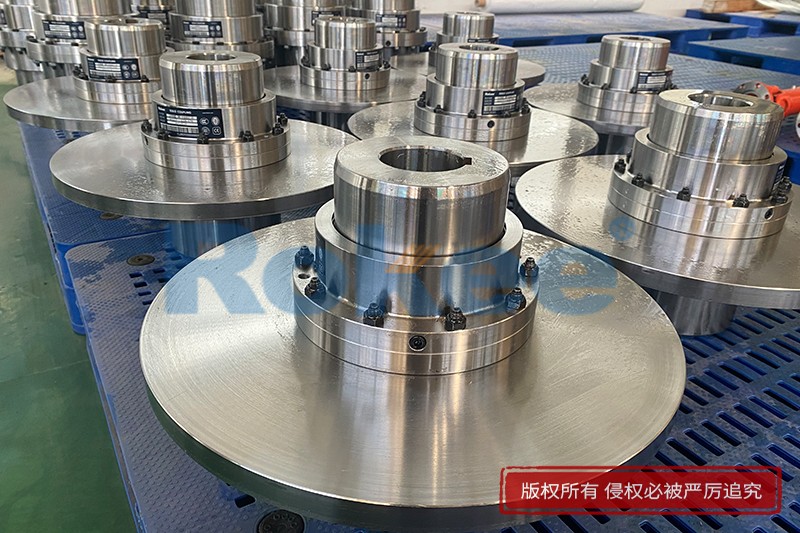
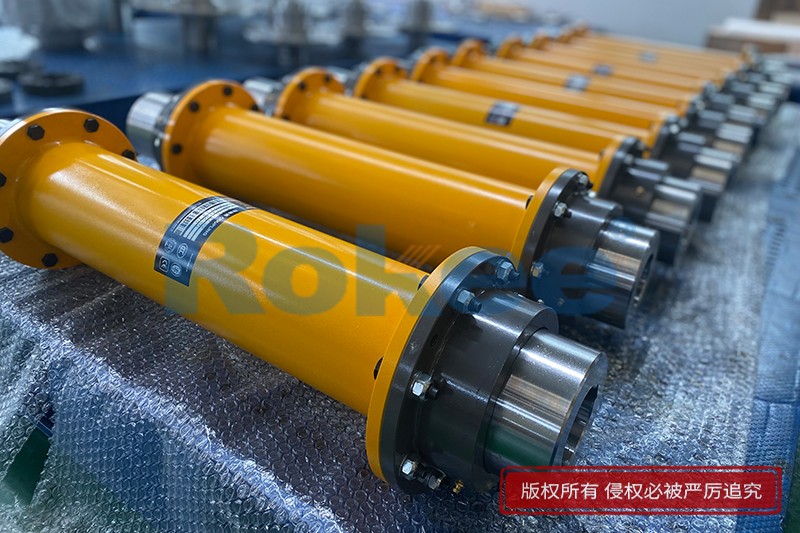
Teeth Coupling has compact and reasonable structure, light weight, small hole-position fitting draw ratio, large pressure angle design, accurate centering and excellent speed performance. The bolt design has been standardized in series, the universality of parts is good and its service life far exceeds the one of domestic products.
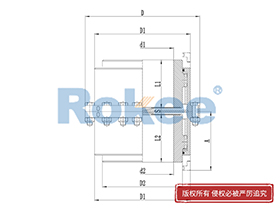
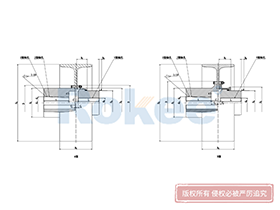
![RODX Drum Gear Coupling,Teeth Couplings]()
RODX Drum Gear Coupling
Intermediate Connecting Shaft
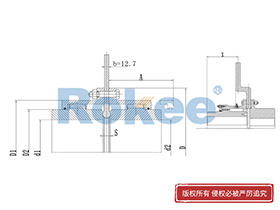
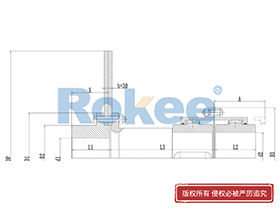
RODX Drum Gear Coupling is an extended type of ROD series coupling with a floating shaft design in the middle, suitable for increasing transmission distance.View More![RODP Drum Gear Coupling,Teeth Couplings]()
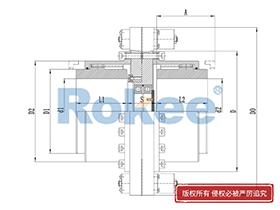
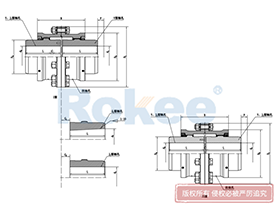
RODP Drum Gear Coupling
With Brake Discs
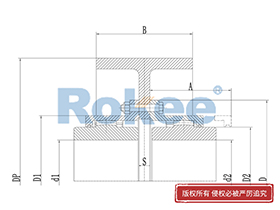
The RODP Drum Gear Coupling is a type of ROD series coupling with a brake disc, suitable for transmission situations where braking needs to be used in conjunction with disc brakes.View More![RODF Drum Gear Coupling,Teeth Couplings]()
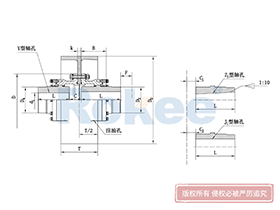
RODF Drum Gear Coupling
Split Type, Brake Disc
The RODF Drum Gear Coupling is a type of ROD series coupling with split brake discs, suitable for transmission situations where there is braking demand and the braking position changes when used in conjunction with disc brakes.View More![RODW Drum Gear Coupling,Teeth Couplings]()
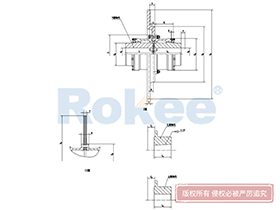
RODW Drum Gear Coupling
With Brake Wheel
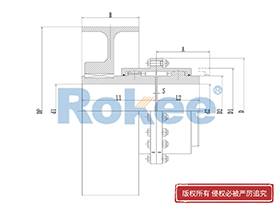
The RODW Drum Gear Coupling is a type of ROD series coupling with brake wheels, suitable for transmission situations where braking needs to be used in conjunction with wheel brakes.View More![RODU Drum Gear Coupling,Teeth Couplings]()
RODU Drum Gear Coupling
With Brake Wheel
The RODU Drum Gear Coupling is another type of ROD series coupling with brake wheels, suitable for transmission situations where braking needs to be used in conjunction with wheel brakes and applied to one end of the axle, achieving smoother and more reliable braking performance.View More![RODV Drum Gear Coupling,Teeth Couplings]()
RODV Drum Gear Coupling
Vertical Installation
The RODV Drum Gear Coupling is a vertical installation type of the ROD series coupling, suitable for transmission situations that require vertical transmission torque.View More![RODM Drum Gear Coupling,Teeth Couplings]()
RODM Drum Gear Coupling
Torsion Protection
The RODM Drum Gear Coupling is a torque setting form of the ROD series coupling. By adjusting relevant components, the maximum transmission torque can be easily set within a certain range. Suitable for shafting transmission situations that require safe torque operation to protect important machine components from excessive damage.View More![GICL Drum Gear Coupling,Teeth Couplings]()
GICL Drum Gear Coupling
Wide
GICL Drum Gear Coupling has larger inner teeth width, which can transfer torque while compensating for larger axial displacement.View More![GICLZ Drum Gear Coupling,Teeth Couplings]()
GICLZ Drum Gear Coupling
Connected to Intermediate Shaft
Half of the GICLZ Drum Gear Coupling adopts a non-toothed semi-coupling sleeve structure, which is usually connected in pairs or used in occasions with small angular displacement.View More![GIICL Drum Gear Coupling,Teeth Couplings]()
GIICL Drum Gear Coupling
Narrow
GIICL Drum Gear Coupling has small inner teeth width, which can transfer torque while compensating for small axial displacement. Also, its structure is compact and the moment of inertia is low.View More![GIICLZ Drum Gear Coupling,Teeth Couplings]()
GIICLZ Drum Gear Coupling
Connected to Intermediate Shaft
Half of the GIICLZ Drum Gear Coupling adopts a non-toothed semi-coupling sleeve structure, which is usually connected in pairs or used in occasions with small angular displacement. Also, its structure is compact and the moment of inertia is low.View More![GCLD Drum Gear Coupling,Teeth Couplings]()
GCLD Drum Gear Coupling
Motor Shaft Extension
GCLD Drum Gear Coupling is generally used for direct connection with the motor, so it generally has a higher speed and compact structure.View More![NGCL Drum Gear Coupling,Teeth Couplings]()
NGCL Drum Gear Coupling
With Brake Wheel
NGCL Drum Gear Coupling is designed with a brake wheel, suitable for situations where braking is required.View More![NGCLZ Drum Gear Coupling,Teeth Couplings]()
NGCLZ Drum Gear Coupling
With Brake Wheel
NGCLZ Drum Gear Coupling is designed with a brake wheel, suitable for situations where braking is required. Half of its structure adopts a semi-coupling sleeve design, with smaller angular displacement compensation but more stable braking.View More![WG Drum Gear Coupling,Teeth Couplings]()
WG Drum Gear Coupling
Basic
The overall characteristics of WG Drum Gear Coupling are similar to those of other drum gear couplings, but with a larger modulus design, which can generally transmit greater torque.View More![WGZ Drum Gear Coupling,Teeth Couplings]()
WGZ Drum Gear Coupling
With Brake Wheel
WGZ Drum Gear Coupling is designed with a brake wheel, suitable for shoe type braking.View More![WGP Drum Gear Coupling,Teeth Couplings]()
WGP Drum Gear Coupling
With Brake Discs
WGP Drum Gear Coupling is designed with a brake disc, suitable for disc type braking.View More![WGT Drum Gear Coupling,Teeth Couplings]()
WGT Drum Gear Coupling
Intermediate Connecting Pipe
WGT Drum Gear Coupling is designed with indirect tube, suitable for long distance torque transfer.View More![WGC Drum Gear Coupling,Teeth Couplings]()
WGC Drum Gear Coupling
Vertical Installation
WGC Drum Gear Coupling is specially designed for situations where vertical transmission is required, suitable for some vertical transmission systems.View More![WGJ Drum Gear Coupling,Teeth Couplings]()
WGJ Drum Gear Coupling
Connected to Intermediate Shaft
WGJ Drum Gear Coupling is designed with intermediate shaft, suitable for long distance torque transmission, and some are equipped with axial buffers.View More
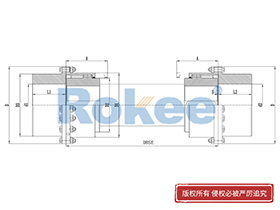
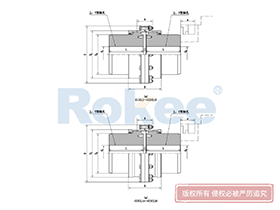
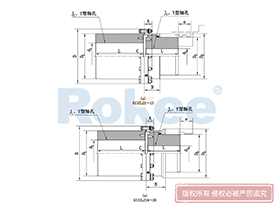
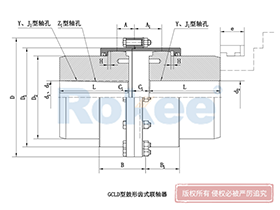
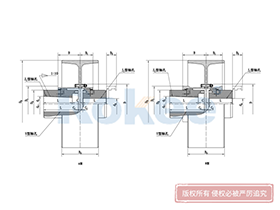
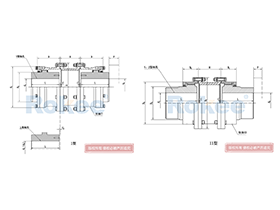
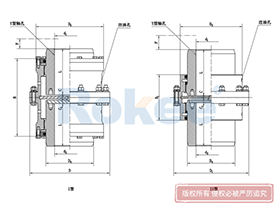
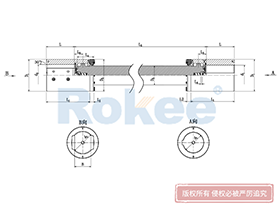
In the complex ecosystem of industrial transmission systems, couplings serve as the critical link between power sources and working machinery, ensuring the smooth transfer of torque while accommodating inevitable misalignments. Among the diverse range of coupling technologies, teeth coupling stands out for its exceptional load-bearing capacity, robust misalignment compensation, and compact structural design. Widely adopted in heavy-duty, high-speed, and harsh working environments such as metallurgy, mining, petrochemicals, and marine engineering, teeth coupling has become an indispensable component in modern industrial production.
Structural Characteristics of Teeth Coupling
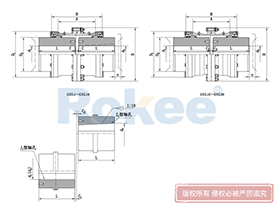
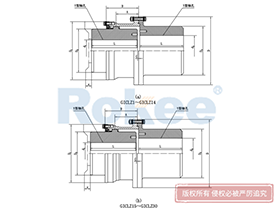
Teeth coupling is a type of rigid movable coupling, whose core structure is designed to achieve shaft connection through gear meshing while allowing a certain degree of relative displacement between two shafts. The basic composition of a standard teeth coupling includes four main components: external gear sleeve, internal gear ring, end cover, and sealing device. In small-sized teeth couplings, the end cover and internal gear ring are often integrated into a single unit to simplify the structure and reduce radial dimensions .
The external gear sleeve, also known as the flange half-coupling with external teeth, is a sleeve-shaped component with external gears on its outer circumference. It is usually connected to the driving shaft or driven shaft through a keyway, which ensures the synchronous rotation of the shaft and the sleeve. The external teeth can be divided into two types according to their tooth profile: straight teeth and drum teeth. The straight teeth have a linear tooth shape, while the drum teeth are processed into a spherical arc shape, with the center of the spherical surface located on the gear axis . This drum-shaped design is a key optimization that significantly improves the coupling's performance in compensating for angular misalignment.
The internal gear ring is an annular component with internal teeth that mesh with the external teeth of the gear sleeve. The number of teeth on the internal gear ring is the same as that on the external gear sleeve to ensure stable meshing transmission. The tooth profile of both internal and external gears usually adopts an involute shape with a pressure angle of 20°, which is conducive to smooth meshing, reduces transmission vibration, and improves torque transmission efficiency . The tooth side clearance of teeth coupling is larger than that of ordinary gear pairs, which provides sufficient space for relative sliding between tooth surfaces when misalignment occurs, avoiding jamming and excessive wear.
The end cover is mainly used to fix and protect the internal components of the coupling, preventing the external gear sleeve and internal gear ring from being damaged by external impacts or debris. The sealing device is a crucial auxiliary component that prevents lubricating oil from leaking and blocks external pollutants such as dust, moisture, and corrosive media from entering the meshing area. Effective sealing not only ensures the lubrication effect but also extends the service life of the coupling .
Working Principles of Teeth Coupling
The working mechanism of teeth coupling is based on the meshing transmission of internal and external gears, which realizes two core functions: torque transmission and misalignment compensation. The entire working process can be divided into three key stages: torque transfer, displacement compensation, and lubrication protection.
In terms of torque transmission, when the driving shaft rotates under the power of the prime mover (such as a motor, diesel engine, or turbine), the torque is first transmitted to the external gear sleeve through the key connection. Due to the meshing engagement between the external teeth of the sleeve and the internal teeth of the gear ring, the torque is then smoothly transferred to the internal gear ring. Finally, the internal gear ring drives the driven shaft to rotate, thereby realizing the power transmission between the prime mover and the working machinery . This meshing transmission method enables multiple teeth to bear the load simultaneously, which gives teeth coupling a much higher torque-bearing capacity than many other types of couplings under the same radial dimension. Industry data shows that the torque transmission capacity of teeth coupling is about 30% higher than that of ordinary flexible couplings of the same size .
Displacement compensation is another core function of teeth coupling. In actual industrial operations, due to factors such as installation errors, thermal expansion and contraction of equipment during operation, and deformation of the frame under load, relative displacements often occur between the driving shaft and the driven shaft. These displacements mainly include three types: radial displacement (offset between the axes of the two shafts), axial displacement (axial movement of the two shafts relative to each other), and angular displacement (tilt between the axes of the two shafts) . When such displacements occur, the tooth surfaces of the internal and external gears of the teeth coupling will perform periodic axial relative sliding. For straight-tooth couplings, this sliding can compensate for small radial and angular displacements. For drum-tooth couplings, the spherical arc tooth profile allows the tooth surfaces to maintain uniform contact even when there is a large angular displacement, which significantly improves the misalignment compensation capacity. Specifically, the allowable angular displacement of standard straight-tooth couplings is usually less than 0°30', while drum-tooth couplings can achieve an angular displacement of up to 6°, and can also compensate for radial displacements of up to 4.5mm and axial displacements of up to 11mm .
Lubrication protection is an essential guarantee for the normal operation of teeth coupling. During the meshing transmission and relative sliding process of the teeth, friction and heat generation will occur between the tooth surfaces. If there is no effective lubrication, the tooth surfaces will suffer from severe wear, gluing, or even tooth breakage, which will seriously affect the transmission efficiency and service life of the coupling . Therefore, teeth coupling must work under good lubrication conditions. The lubricant not only reduces the friction coefficient between the tooth surfaces but also plays a role in cooling and rust prevention. The selection of lubricant and lubrication method needs to be determined according to the specific working conditions such as load, speed, and ambient temperature.
Types of Teeth Coupling and Their Differences
According to the tooth profile of the external gear sleeve, teeth coupling can be mainly divided into two categories: straight-tooth coupling and drum-tooth coupling. In addition, there are special types such as nylon-tooth coupling based on the material of the gear ring. These types have significant differences in structural design, performance characteristics, and application scenarios.
Straight-tooth coupling is the earliest type of teeth coupling, with a simple structure and easy processing. Its external teeth are linear, and the meshing contact between the internal and external teeth is a line contact. This structural feature makes straight-tooth coupling have a certain ability to compensate for radial and axial displacements, but its angular displacement compensation capacity is relatively limited. Due to the uneven distribution of load on the tooth surface when angular misalignment occurs, the wear of the tooth surface is accelerated, and the transmission stability is poor. At present, straight-tooth coupling has gradually become an obsolete product in many industrial fields, and it is not recommended for selection in new equipment designs .
Drum-tooth coupling is an optimized and upgraded version of straight-tooth coupling, which is widely used at home and abroad due to its superior performance. The core improvement of drum-tooth coupling is that the external teeth are made into a spherical drum shape, and the spherical center is located on the gear axis. This design changes the line contact between the teeth of the straight-tooth coupling into surface contact, which not only improves the contact area between the tooth surfaces and enhances the load-bearing capacity but also enables the tooth surfaces to slide smoothly relative to each other when there is a large angular displacement, avoiding local stress concentration . Compared with straight-tooth coupling, drum-tooth coupling has the advantages of larger misalignment compensation capacity, more uniform load distribution, longer service life, and lower noise during operation. It is especially suitable for high-speed, heavy-duty, and harsh working conditions, such as the shafting transmission of gas turbines, rolling mills, and marine propellers .
Nylon-tooth coupling is a special type that uses nylon as the material of the internal gear ring, while the external gear sleeve is still made of metal. Nylon has the characteristics of light weight, corrosion resistance, good wear resistance, and self-lubrication. Therefore, nylon-tooth coupling has the advantages of simple maintenance (no need for frequent lubrication), low noise, and good electrical insulation performance. It is mainly used in light-load and medium-speed general machinery, such as fans, water pumps, and small compressors. However, due to the limited heat resistance and strength of nylon, it is not suitable for high-temperature, high-speed, and heavy-load working conditions .
Material Selection of Teeth Coupling
The material of teeth coupling directly affects its strength, wear resistance, corrosion resistance, service life, and applicability to different working environments. The selection of materials needs to comprehensively consider factors such as load type, operating speed, ambient temperature, and corrosive medium. Common materials for teeth coupling include metal materials and non-metal materials, among which metal materials are the main choice for most industrial applications .
Metal materials used in teeth coupling mainly include carbon steel, alloy steel, stainless steel, and cast iron. Carbon steel, such as 45 steel and Q235, has the advantages of low cost, high strength, and good machinability. It is suitable for ordinary working conditions with medium load and normal temperature, and is often used in the production of external gear sleeves and internal gear rings of general-purpose teeth coupling. Alloy steel, such as 40Cr and 42CrMo, has higher strength, toughness, and wear resistance than carbon steel. After heat treatment processes such as carburizing and quenching, the surface hardness of the alloy steel can reach HRC 58-62, which significantly improves the wear resistance of the tooth surface . Alloy steel is mainly used in heavy-duty, high-impact, and high-speed working conditions, such as teeth coupling in metallurgical rolling mills and mining crushers.
Stainless steel, such as 304 and 316, has excellent corrosion resistance and high-temperature resistance, but its cost is relatively high. It is mainly used in harsh environments with corrosive media, such as petrochemical plants (where there are corrosive gases and liquids), marine engineering (saline water corrosion), and food processing plants (hygienic requirements and corrosive cleaning agents). Cast iron, such as HT200 and QT400, has the advantages of low cost and good vibration absorption, but its brittleness is large and its impact resistance is poor. It is only suitable for low-speed, light-load working conditions and is rarely used in heavy-duty teeth coupling .
Non-metal materials used in teeth coupling are mainly engineering plastics such as nylon and polyurethane. As mentioned earlier, nylon is often used to make the internal gear ring of nylon-tooth coupling, which has the characteristics of self-lubrication and corrosion resistance. Polyurethane has good elasticity and shock absorption performance, and is sometimes used as an auxiliary elastic component in composite teeth coupling. However, non-metal materials have limitations such as low heat resistance and insufficient strength, so they cannot replace metal materials in heavy-duty and high-temperature applications.
In the material selection process, it is necessary to balance performance and cost. For example, in general medium-load applications, carbon steel can meet the requirements and has an economic advantage; in heavy-duty and harsh environments, alloy steel or stainless steel should be selected to ensure the reliability and service life of the coupling.
Application Scenarios of Teeth Coupling
Thanks to its excellent performance characteristics such as high load-bearing capacity, strong misalignment compensation, compact structure, and reliable operation, teeth coupling is widely used in various industrial fields. It plays an irreplaceable role especially in low-speed and heavy-duty working conditions, and can also be used in high-speed transmission systems after precision dynamic balancing . The following are the main application fields of teeth coupling:
Metallurgical industry is one of the most important application fields of teeth coupling. In equipment such as rolling mills (hot rolling mills, cold rolling mills), continuous casting machines, and heating furnace conveyor rollers, teeth coupling is used to connect the reducer output shaft and the working machine shaft, realizing the transmission of large torque. The working environment of metallurgical equipment is harsh, with high temperature, large vibration, and serious dust pollution. The robust structure and good sealing performance of teeth coupling can adapt to such environments. For example, in the main transmission system of a rolling mill, the torque to be transmitted is extremely large, and the shaft system is prone to misalignment due to thermal expansion and contraction. Drum-tooth coupling can well meet these requirements .
Mining and construction machinery also widely use teeth coupling. Equipment such as ball mills, crushers, and belt conveyors in mines need to transmit large torque under low-speed and heavy-load conditions, and the working environment is full of dust and impact loads. Teeth coupling can not only bear large impact torque but also compensate for the misalignment caused by the deformation of the equipment frame under heavy load. For example, the ball mill, as the core equipment for ore grinding, relies on teeth coupling to connect the motor and the reducer, ensuring the stable operation of the mill .
In the petrochemical industry, teeth coupling is used in the shafting transmission of equipment such as compressors, centrifugal pumps, and reaction kettles. The petrochemical industry often involves corrosive media (such as acids, alkalis, and organic solvents) and high-temperature and high-pressure working conditions. Therefore, stainless steel teeth coupling or alloy steel teeth coupling with anti-corrosion treatment is usually selected. Teeth coupling can compensate for the shaft misalignment caused by the thermal deformation of the pipeline, ensuring the stable operation of the equipment .
Marine power systems also use teeth coupling to connect diesel engines and propellers. The marine environment is characterized by high humidity, salt spray corrosion, and complex vibration. Teeth coupling used in ships needs to undergo strict anti-corrosion treatment and dynamic balancing to ensure reliable operation in the marine environment. In addition, the shaft system of ships is prone to misalignment due to the sway of the hull, and the good misalignment compensation capacity of drum-tooth coupling can effectively solve this problem .
Gas turbine and power generation equipment are high-speed transmission scenarios where teeth coupling is applied. High-precision teeth coupling after dynamic balancing can be used in the shafting connection of gas turbines, with a transmission efficiency of up to 99.7% and low noise. In power generation equipment such as thermal power plants and nuclear power plants, teeth coupling is used to connect the turbine and the generator, ensuring the efficient and stable transmission of power .
In addition, teeth coupling is also used in general machinery manufacturing, such as fans, water pumps, and small compressors. In these applications, nylon-tooth coupling is sometimes used to reduce maintenance costs and noise .
Maintenance and Troubleshooting of Teeth Coupling
The service life and transmission efficiency of teeth coupling are closely related to daily maintenance. Due to the meshing transmission between teeth, teeth coupling has higher maintenance requirements than some flexible couplings. Scientific and reasonable maintenance can effectively reduce the failure rate of the coupling and extend its service life. The main maintenance contents and troubleshooting methods of teeth coupling are as follows:
Lubrication maintenance is the core of teeth coupling maintenance. Insufficient lubrication or improper lubricant selection will lead to severe wear, gluing, and even tooth breakage of the tooth surfaces. Therefore, it is necessary to regularly check the lubrication status of the coupling and replace the lubricant in a timely manner. The selection of lubricant should be based on the working conditions: for low-speed and heavy-load conditions, grease with high viscosity and good adhesion should be selected; for high-speed conditions, lubricating oil with good fluidity and cooling performance should be selected. Common lubrication methods include oil storage lubrication, self-flow lubrication, and forced lubrication. Forced lubrication is suitable for high-speed and heavy-load conditions, which can ensure sufficient lubrication and cooling of the tooth surfaces . In addition, it is necessary to check the sealing device regularly to ensure that there is no lubricant leakage and no external pollutants enter the coupling.
Regular inspection of coupling components is also an important part of maintenance. The inspection contents include: the wear degree of the tooth surface (whether there are pitting, abrasion, or tooth breakage), the tightness of the connecting bolts (whether there is looseness or fatigue fracture), the condition of the end cover and sealing device (whether there is deformation or damage), and the coaxiality of the two shafts. If excessive wear of the tooth surface is found, the coupling should be disassembled and inspected in time, and the worn components should be replaced. If the connecting bolts are loose, they should be tightened in time; if fatigue fracture occurs, the bolts should be replaced with new ones of the same specification .
Common faults of teeth coupling include tooth surface wear, axial displacement of the internal gear ring, tooth breakage, and bolt fracture. The main causes of these faults are as follows: first, insufficient lubrication or improper lubricant selection, which leads to increased friction between tooth surfaces; second, excessive coaxiality error of the two shafts, exceeding the compensation range of the coupling, resulting in uneven meshing of the teeth and local stress concentration; third, the bolts are too thin, insufficient in strength, or the material is unqualified, leading to bolt fracture under the action of additional torque .
For the troubleshooting of teeth coupling, targeted measures should be taken according to the cause of the fault. If the fault is caused by insufficient lubrication, the lubricant should be replaced with a qualified one, and the sealing device should be repaired to ensure sufficient lubrication. If the fault is caused by excessive coaxiality error of the two shafts, the equipment should be shut down for re-alignment to adjust the coaxiality of the two shafts to the allowable range. If the fault is caused by bolt fracture, bolts of the correct specification and material should be replaced, and the tightness of the bolts should be checked regularly . When disassembling and assembling the coupling, it is necessary to make alignment marks on the coupling to minimize the impact on the dynamic balance of the shaft system after assembly. At the same time, it is strictly prohibited to knock hard during disassembly and assembly to avoid deformation of the shaft or damage to the thread .
Future Development Trends of Teeth Coupling
With the continuous development of industrial technology, especially the upgrading of fields such as intelligent manufacturing, high-speed rail, and new energy, higher requirements are put forward for the performance of teeth coupling. In the future, teeth coupling will develop in the direction of high precision, high efficiency, long life, and intelligence.
First, the optimization of tooth profile design and manufacturing process will be strengthened. With the application of computer-aided design (CAD) and computer-aided manufacturing (CAM) technologies, the tooth profile of teeth coupling can be more accurately optimized to further improve the misalignment compensation capacity and load-bearing capacity. For example, through finite element analysis, the stress distribution on the tooth surface can be simulated, and the tooth profile can be optimized to avoid local stress concentration. In addition, the application of advanced manufacturing technologies such as precision forging and CNC grinding will improve the machining accuracy and surface quality of the coupling, reduce tooth surface wear, and improve transmission efficiency.
Second, the development of new materials and surface treatment technologies will extend the service life of teeth coupling. The research and application of high-strength, wear-resistant, and corrosion-resistant new alloy materials will further improve the performance of teeth coupling in harsh environments. At the same time, advanced surface treatment technologies such as plasma spraying and laser cladding can form a high-hardness and wear-resistant coating on the tooth surface, which significantly improves the wear resistance and corrosion resistance of the tooth surface.
Third, the intelligent monitoring of teeth coupling will become a new development trend. With the integration of sensors and Internet of Things (IoT) technologies, intelligent teeth coupling with real-time monitoring functions will be developed. These couplings can monitor parameters such as tooth surface temperature, vibration, and lubrication status in real time. When abnormal conditions are detected, an alarm is issued in time, and maintenance suggestions are provided. This not only can realize predictive maintenance of the coupling, reduce downtime, but also improve the safety and reliability of the entire transmission system.
Finally, the development of lightweight and energy-saving teeth coupling will be promoted. With the increasing emphasis on energy conservation and emission reduction, the lightweight design of industrial equipment has become a trend. By optimizing the structure and selecting lightweight high-strength materials, the weight of teeth coupling can be reduced, the rotational inertia can be decreased, and energy consumption can be saved. At the same time, the optimization of the lubrication system will reduce the power loss caused by friction, further improving the energy efficiency of the coupling.
Conclusion
As a key component in industrial transmission systems, teeth coupling plays an irreplaceable role in ensuring the smooth operation of equipment, improving transmission efficiency, and adapting to complex working conditions. Its structural design based on gear meshing gives it the advantages of high load-bearing capacity, strong misalignment compensation, and compact structure. Through the reasonable selection of types and materials, teeth coupling can be applied to various industrial fields such as metallurgy, mining, petrochemicals, and marine engineering.
To ensure the long-term and stable operation of teeth coupling, scientific maintenance is essential. Regular lubrication, component inspection, and timely troubleshooting can effectively extend the service life of the coupling and reduce maintenance costs. In the future, with the advancement of technology, teeth coupling will develop in the direction of high precision, intelligence, and energy conservation, which will better meet the needs of modern industrial development and contribute to the improvement of industrial production efficiency and quality.
« Teeth Couplings » Post Date: 2024/1/15