Crane Couplings
Rokee is Crane Couplings Manufacturer, Customizable according to the crane couplings drawings provided by the customer, Support Export.
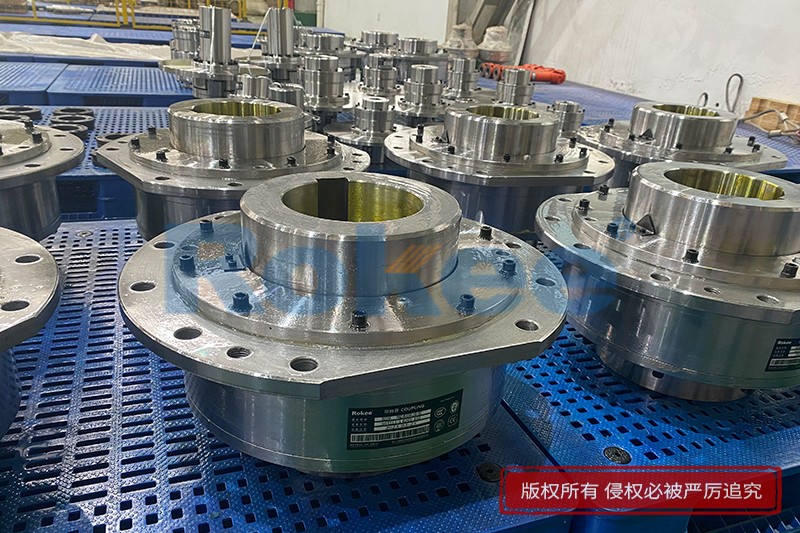
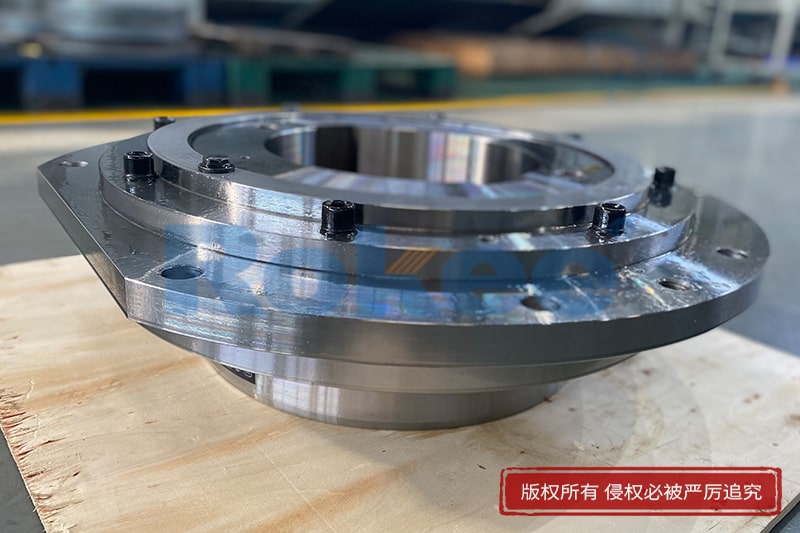
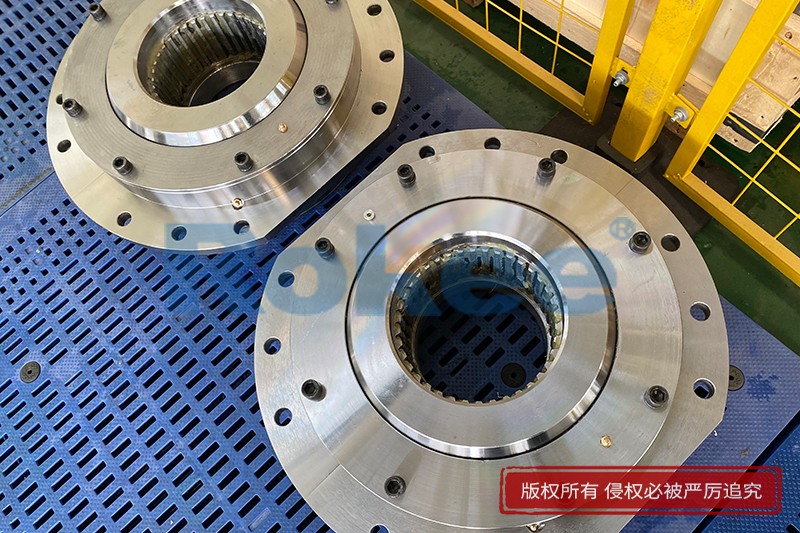
Crane Coupling is the most widely used connecting component in shaft transmission of overhead bridge cranes and gantry cranes. Rokee custom crane coupling with different sizes, different materials, and different cranes.
![RWC Drum Coupling,Crane Couplings]()
RWC Drum Coupling
Ball and Drum Gear
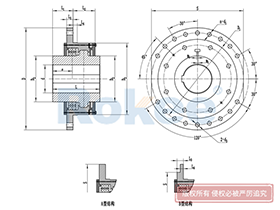
The ball and drum gear drum coupling is a drum coupling developed by Rokee with a more reliable structure, higher compensation ability and higher safety factor. The outer sleeve adopts a spherical drum tooth design, which has low requirements for shafting installation accuracy, large transmission torque, strong overload capacity and can withstand great radial load. The connection size is the same as that of DC series, but the bearing capacity is increased by more than 30%. The innovative spherical sealing technology makes this type of product maintain excellent lubrication and greatly improve its service life.View More![DQ/WZL Drum Coupling,Crane Couplings]()
DQ/WZL Drum Coupling
Ball Dumpling
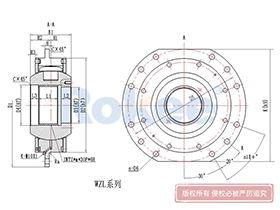
WZL Drum Coupling is a spherical hinged coupling. It has a connecting flange with an inner spherical surface, a spherical semi-coupling sleeve with an outer spherical surface, a special transmission key, an inner and outer limit cover, etc. The internal control generally adopts the splined sleeve design, which transmits torque through a specially designed key bar and can withstand large torque and radial load. The maximum angular displacement compensation can reach 3°, with a life indicator and safe and reliable structure.View More![DC Drum Coupling,Crane Couplings]()
DC Drum Coupling
Drum-type
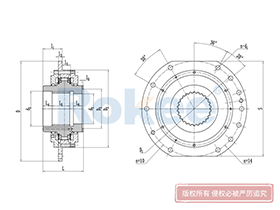
DC Drum Coupling is designed with drum teeth, which is used for connecting the reducer of crane transmission system with the drum. It can bear radial load and transfer large torque, but cannot transfer axial load.View More![WJ Drum Coupling,Crane Couplings]()
WJ Drum Coupling
Spherical Roller
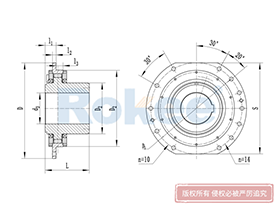
WJ Drum Coupling is a spherical roller coupling, which is composed of jacket with connecting flange, spherical roller, semi-coupling, inner and outer cover plate and sealing system, capable of transmitting large torque and bearing radial load.View More![WJA Drum Coupling,Crane Couplings]()
WJA Drum Coupling
Spherical Roller
WJA Drum Coupling is a spherical roller coupling, which is composed of jacket with connecting flange, spherical roller, semi-coupling, inner and outer cover plate and sealing system, capable of transmitting large torque and bearing radial load. The connection between the coupling and the output shaft of the reducer adopts an involute spline pair design.View More
In the realm of heavy machinery, cranes stand as indispensable workhorses, facilitating the lifting, moving, and positioning of massive loads across diverse industries such as construction, mining, metallurgy, and port logistics. Behind the seamless operation of these powerful machines lies a network of precision components, each playing a critical role in ensuring efficiency, safety, and reliability. Among these components, the crane coupling emerges as a vital link in the power transmission system, serving as the bridge between driving shafts (such as those from motors) and driven shafts (such as those from reducers, wheel sets, or drum assemblies).
At its core, a crane coupling is a mechanical device designed to connect two rotating shafts, enabling the transfer of torque and rotational motion from the power source to the functional components of the crane. Beyond mere power transmission, however, modern crane couplings are engineered to address several inherent challenges in shaft alignment and operational stability. These challenges include inevitable misalignments between shafts (angular, axial, or radial) caused by installation errors, thermal expansion, or structural deformation during load-bearing operations; shock and vibration generated by frequent starts, stops, and load variations; and the need for convenient maintenance and disassembly. By addressing these issues, crane couplings not only ensure efficient power transfer but also protect critical components such as motors, reducers, and bearings from excessive wear and premature failure, thereby extending the overall service life of the crane system.
Key Functions of Crane Couplings
The functionality of crane couplings extends far beyond simple shaft connection, encompassing four primary roles that are essential to the safe and efficient operation of crane systems:
1. Torque Transmission: The primary function of a crane coupling is to transmit torque between the driving and driven shafts with minimal energy loss. In crane operations, this torque transfer must be precise and reliable, as any inefficiency can lead to reduced lifting capacity, increased energy consumption, or even operational failures. Couplings are designed to match the torque requirements of specific crane applications, from light-duty overhead cranes used in workshops to heavy-duty gantry cranes employed in port container handling.
2. Misalignment Compensation: Perfect alignment between driving and driven shafts is nearly impossible to achieve and maintain in practical crane operations. Factors such as foundation settlement, thermal expansion of components during operation, and mechanical deformation under heavy loads can cause angular (misalignment of shaft axes), radial (offset of shaft centers), or axial (axial displacement of shafts) misalignments. Crane couplings are engineered to accommodate these misalignments, preventing rigid contact between shafts and reducing the generation of excessive forces that would otherwise damage bearings, seals, and other transmission components. This compensation capability is particularly critical in large cranes where even minor misalignments can lead to significant mechanical stress.
3. Shock Absorption and Vibration Damping: Crane operations are often characterized by frequent starts, stops, and load changes, which generate shock loads and vibrations that can propagate through the transmission system. These dynamic forces can cause fatigue damage to components over time, leading to premature failure. Crane couplings, especially those with elastic elements, absorb these shock loads and dampen vibrations, creating a smoother operational environment. This not only protects the transmission system but also improves the stability of the crane during lifting and positioning, reducing the risk of load sway and enhancing operational safety.
4. Facilitating Maintenance and Disassembly: As a separable component in the transmission system, crane couplings serve as a convenient separation point for maintenance and repair work. When servicing components such as motors or reducers, the coupling can be easily disassembled to separate the driving and driven shafts, eliminating the need to move or dismantle large and heavy crane structures. This feature significantly reduces maintenance time and labor costs, minimizing downtime and ensuring the crane returns to operational status quickly.
Common Types of Crane Couplings and Their Characteristics
Crane couplings are available in a variety of designs, each tailored to specific operational requirements, load capacities, and environmental conditions. The selection of the appropriate coupling type is critical to ensuring optimal performance and safety. Below are the most common types of crane couplings, along with their structural features and typical applications:
1. Gear Couplings
Gear couplings are widely used in heavy-duty crane applications due to their high load-bearing capacity and excellent torque transmission capabilities. They consist of two gear hubs (with external teeth) connected by an outer sleeve (with internal teeth), forming a meshing gear pair that transmits torque. Gear couplings are further divided into full gear couplings and half gear couplings.
Full gear couplings feature a larger tooth side clearance compared to standard gear transmissions, allowing for a certain degree of angular displacement. The internal and external tooth surfaces undergo periodic axial relative sliding during operation, which requires effective lubrication and sealing to ensure smooth operation and prevent wear. These couplings have small radial dimensions and high torque-carrying capacity, making them suitable for low-speed, heavy-load applications such as the hoisting and traveling mechanisms of gantry cranes and overhead bridge cranes.
Half gear couplings offer smooth transmission, strong resistance to shock and vibration, and high safety performance. They have limited radial compensation capability but excel in low-speed, heavy-load connections. Like full gear couplings, they are commonly used in the transmission systems of crane hoisting and traveling mechanisms, where reliable torque transfer under heavy loads is paramount.
2. Braking-Wheel Couplings
Braking-wheel couplings integrate the functions of torque transmission and braking, making them ideal for crane systems that require frequent starts and stops. The coupling consists of a brake wheel (attached to one of the hubs) and a friction braking mechanism, allowing for quick and reliable braking during operation. These couplings offer smooth transmission, strong shock resistance, and small radial compensation capability. They are particularly suitable for applications with frequent start-stop cycles, such as overhead cranes in factories and warehouses, where precise control of load movement and rapid braking are essential for safety.
3. Elastomeric Couplings
Elastomeric couplings (also known as elastic couplings) use elastic elements such as rubber, polyurethane, or synthetic elastomers to connect the two hubs. The elastic elements absorb shock loads, dampen vibrations, and compensate for minor misalignments, making these couplings ideal for medium-to-low speed, medium-to-small power applications. Key advantages of elastomeric couplings include simple structure, small radial size, no need for lubrication, and easy maintenance. The elastic elements are replaceable, allowing for quick repairs without disassembling the entire transmission system.
However, elastomeric couplings are not suitable for heavy-load applications or environments with strict axial space constraints. They are commonly used in light-duty cranes, electric hoists, and auxiliary crane mechanisms where smooth operation and low maintenance requirements are prioritized. Additionally, some elastomeric couplings offer electrical insulation properties, reducing the risk of stray currents that can damage sensitive components.
4. Universal Couplings
Universal couplings (also known as cardan couplings) are designed to connect two shafts that are not aligned on the same axis, making them suitable for crane mechanisms with complex spatial layouts. The most common type is the cross-shaft universal coupling, which consists of two yokes (connected to the driving and driven shafts) and a cross shaft that transmits torque between the yokes. Universal couplings offer high load capacity, long service life, smooth operation, and large axial compensation capability. They require minimal maintenance and can operate reliably in harsh environments.
These couplings are widely used in crane rotating mechanisms, such as the slewing mechanisms of tower cranes and port cranes, where the driving and driven shafts are often misaligned. Their ability to transmit torque reliably across angular misalignments makes them indispensable in applications where flexible power transmission is required.
5. Membrane Couplings
Membrane couplings (also known as disc couplings) use thin, flexible metal membranes (typically made of stainless steel) to connect the hubs. The membranes transmit torque through their elastic deformation, allowing for angular, axial, and radial misalignment compensation without the need for lubrication. These couplings offer high transmission efficiency, low noise, and zero maintenance, making them suitable for high-speed, high-precision applications.
Membrane couplings are designed for "fit-and-forget" reliability, with an infinite service life when operated within their design limits. They are often used in crane systems with high-speed motors or precision transmission requirements, such as automated overhead cranes in assembly lines. Some membrane couplings also feature overload protection collars to prevent membrane damage in case of excessive torque.
Material Selection Criteria for Crane Couplings
The performance and durability of crane couplings are heavily dependent on the materials used in their construction. Given the harsh operating conditions of cranes—including heavy loads, frequent shock impacts, and exposure to extreme temperatures, moisture, and corrosive environments—material selection must prioritize mechanical properties such as tensile strength, compressive strength, shear strength, and fatigue resistance. Additionally, factors such as manufacturability, cost-effectiveness, and environmental adaptability must be considered. Below are the key material requirements for critical coupling components:
1. Shafts and Hubs: The shafts and hubs of crane couplings are subjected to high torque and cyclic stresses during operation, requiring materials with high tensile strength, fatigue resistance, and shear strength. Common materials include medium-carbon steel (such as 45# steel), alloy steel (such as 40Cr), and stainless steel. Medium-carbon steel offers a good balance of strength and cost-effectiveness for general-purpose applications, while alloy steel provides higher strength and wear resistance for heavy-duty applications. Stainless steel is used in corrosive environments, such as port cranes exposed to saltwater or chemical plant cranes exposed to corrosive fumes.
2. Flanges: Flanges are responsible for connecting the coupling to the shafts and transmitting torque, requiring high compressive strength, shear strength, and fatigue resistance. Materials similar to those used for shafts and hubs are typically employed, with additional surface treatments (such as quenching and tempering) to enhance hardness and wear resistance.
3. Keys and Fasteners: Keys are used to secure the coupling hubs to the shafts, while fasteners (such as bolts and nuts) hold the coupling components together. Both require high shear strength, toughness, and fatigue resistance. Common materials for keys include carbon steel (such as 45# steel) and alloy steel, while fasteners are often made of high-strength steel to ensure secure connections under heavy loads and vibration. Lock washers or locknuts are frequently used to prevent fastener loosening during operation.
4. Elastic Elements (for Elastomeric Couplings): Elastic elements are made of materials such as natural rubber, synthetic rubber, or polyurethane. These materials must exhibit good elasticity, wear resistance, oil resistance, and temperature resistance. Polyurethane is often preferred for its high tensile strength and abrasion resistance, while rubber offers superior vibration damping properties. The selection of elastic materials depends on the operating temperature range and environmental conditions of the crane.
Traditional material selection for crane couplings has been largely empirical, relying on trial-and-error testing. However, modern engineering practices employ computational simulations and multi-criteria decision-making (MCDM) methods to optimize material selection. These methods balance mechanical performance, cost, and manufacturability, ensuring that the selected materials meet the specific requirements of the application while minimizing costs and production challenges. For example, the Taguchi method can be used to test various material grades and identify configurations that yield the highest mechanical performance with minimal variability, enabling engineers to systematically narrow down material options.
Installation and Maintenance Best Practices
Proper installation and regular maintenance are critical to ensuring the optimal performance and longevity of crane couplings. Improper installation can lead to misalignments, excessive wear, and premature failure, while neglecting maintenance can result in unplanned downtime and safety hazards. Below are the key best practices for the installation and maintenance of crane couplings:
Installation Guidelines
1. Pre-Installation Inspection: Before installing the coupling, inspect all components for signs of damage (such as cracks, burrs, or deformation) that may have occurred during transportation or storage. Ensure that the shaft surfaces are clean, smooth, and free of dirt, rust, or debris. Check the shaft dimensions (such as diameter and keyway size) to ensure compatibility with the coupling hubs.
2. Shaft Alignment: Proper shaft alignment is essential to prevent excessive stress on the coupling and transmission components. Align the center lines of the driving and driven shafts both horizontally and vertically. The allowable misalignment varies depending on the coupling type; for example, gear couplings can accommodate larger angular misalignments than rigid couplings. Use alignment tools (such as dial indicators or laser alignment systems) to achieve precise alignment. If heating is required to install the hubs onto the shafts (to achieve an interference fit), use a warm oil bath to avoid overheating and damaging the material.
3. Secure Fastening: Ensure that all fasteners (bolts, nuts, keys) are properly installed and tightened to the specified torque. Use lock washers, locknuts, or thread-locking compounds to prevent fastener loosening due to vibration. Avoid over-tightening bolts, as this can damage the coupling components or distort the flanges.
4. Verification: After installation, manually rotate the coupled shafts to check for smooth operation without binding or excessive resistance. Verify that the coupling is properly aligned and that all components are securely fastened before commissioning the crane.
Maintenance Practices
1. Routine Inspection: Conduct regular visual inspections of the coupling to check for signs of wear, fatigue, or damage. Look for cracks in the hubs, flanges, or membranes; excessive wear on gear teeth or elastic elements; and loose fasteners. Inspect the lubrication system (for gear couplings) to ensure adequate lubrication and prevent oil leakage. For elastomeric couplings, check the elastic elements for signs of aging, cracking, or deformation.
2. Lubrication: Gear couplings require regular lubrication to reduce friction and wear between the gear teeth. Use the recommended lubricant (such as industrial gear oil) and follow the manufacturer's guidelines for lubrication intervals. Ensure that the lubricant is clean and free of contaminants, as dirty lubricant can accelerate wear. Replace the lubricant if it becomes contaminated or degraded.
3. Alignment Recheck: Periodically recheck the shaft alignment, as misalignments can develop over time due to foundation settlement, thermal expansion, or component wear. Re-align the shafts if necessary to prevent excessive stress on the coupling.
4. Component Replacement: Replace worn or damaged components promptly to prevent further damage to the coupling and transmission system. For elastomeric couplings, replace the elastic elements when they show signs of aging or damage. For gear couplings, replace worn gear teeth or seals to maintain performance. Use compatible replacement parts to ensure proper fit and function.
5. Storage: If the coupling is not to be used immediately, store it in a dry, clean environment away from direct heat and moisture. Re-pack the coupling to protect it from dust and damage. Retain all documentation (such as installation and maintenance manuals) for future reference.
Applications of Crane Couplings Across Industries
Crane couplings are essential components in a wide range of crane types and industrial applications, where they enable reliable power transmission and operational stability. Below are some of the key industries and applications where crane couplings play a critical role:
1. Construction Industry
In the construction industry, cranes such as tower cranes, mobile cranes, and crawler cranes are used to lift and move heavy construction materials (such as steel beams, concrete blocks, and construction machinery). Crane couplings are used in the hoisting, slewing, and traveling mechanisms of these cranes, ensuring reliable torque transmission and smooth operation. For example, tower cranes use universal couplings in their slewing mechanisms to transmit torque between misaligned shafts, while mobile cranes use gear couplings in their hoisting mechanisms to handle heavy loads.
2. Mining Industry
Mining operations require heavy-duty cranes to lift and move ore, equipment, and personnel in harsh underground or open-pit environments. Crane couplings in mining applications must withstand high loads, shock impacts, and exposure to dust, moisture, and corrosive substances. Gear couplings and braking-wheel couplings are commonly used in mining cranes, as they offer high load-bearing capacity and reliable braking performance. Additionally, membrane couplings are used in high-speed conveyor systems associated with mining operations.
3. Metallurgy Industry
The metallurgy industry involves high-temperature processes (such as steelmaking and aluminum smelting) that require cranes to handle molten metals and heavy equipment. Crane couplings in this industry must resist high temperatures, thermal expansion, and corrosive environments. Stainless steel or heat-resistant alloy couplings are often used, along with elastomeric couplings that offer vibration damping to protect sensitive components. Braking-wheel couplings are also commonly used in metallurgical cranes to ensure precise control and rapid braking during the handling of molten metals.
4. Port and Logistics Industry
Ports and logistics facilities use gantry cranes, container cranes, and overhead cranes to load and unload ships, trains, and trucks. These cranes operate in high-cycle, heavy-load environments and are exposed to saltwater and humidity, requiring corrosion-resistant couplings. Stainless steel couplings or carbon steel couplings with anti-corrosion coatings are commonly used. Universal couplings and membrane couplings are ideal for the complex spatial layouts of port crane mechanisms, while elastomeric couplings offer smooth operation and low maintenance requirements.
5. Manufacturing Industry
Manufacturing facilities use overhead cranes, jib cranes, and electric hoists to move raw materials, workpieces, and finished products within factories and warehouses. These cranes typically operate at medium-to-low speeds and require precise control. Elastomeric couplings and membrane couplings are commonly used in these applications, as they offer smooth transmission, vibration damping, and easy maintenance. Braking-wheel couplings are also used in applications with frequent start-stop cycles, such as assembly line cranes.
Conclusion
Crane couplings are unsung heroes in the world of heavy machinery, serving as critical links in the power transmission systems of cranes across diverse industries. Their ability to transmit torque, compensate for misalignments, absorb shock and vibration, and facilitate maintenance makes them essential for ensuring the efficiency, safety, and reliability of crane operations. With a wide range of types available—from gear couplings for heavy-duty applications to elastomeric couplings for light-duty, low-maintenance needs—there is a crane coupling tailored to every operational requirement.
The selection of the right coupling type, materials, and installation practices is paramount to maximizing performance and longevity. By adhering to best practices in material selection, installation, and maintenance, operators can minimize downtime, reduce maintenance costs, and ensure the safe operation of cranes for years to come. As the demand for more efficient and reliable heavy machinery continues to grow, the role of crane couplings will only become more important, driving innovations in design, materials, and manufacturing processes to meet the evolving needs of the industry.
« Crane Couplings » Post Date: 2023/12/26
URL: //5008517517.com/en/tags/crane-couplings.html