Generator Couplings
Rokee is Generator Couplings Manufacturer, Customizable according to the generator couplings drawings provided by the customer, Support Export.
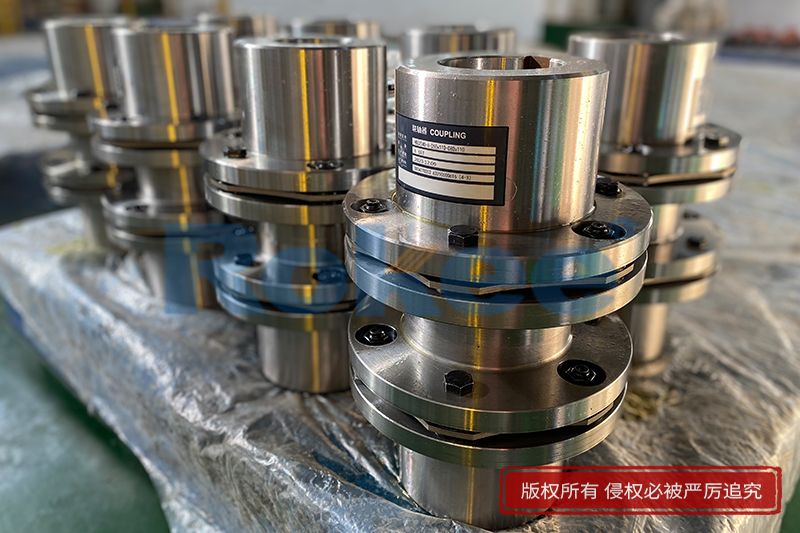
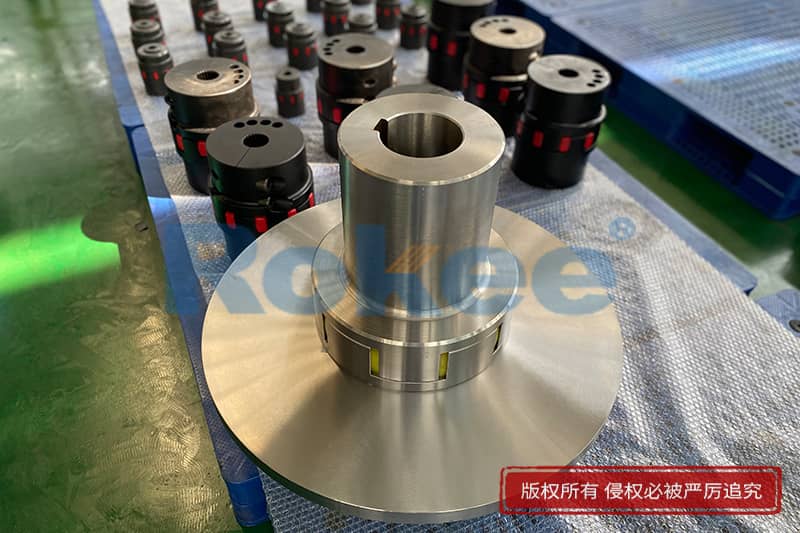
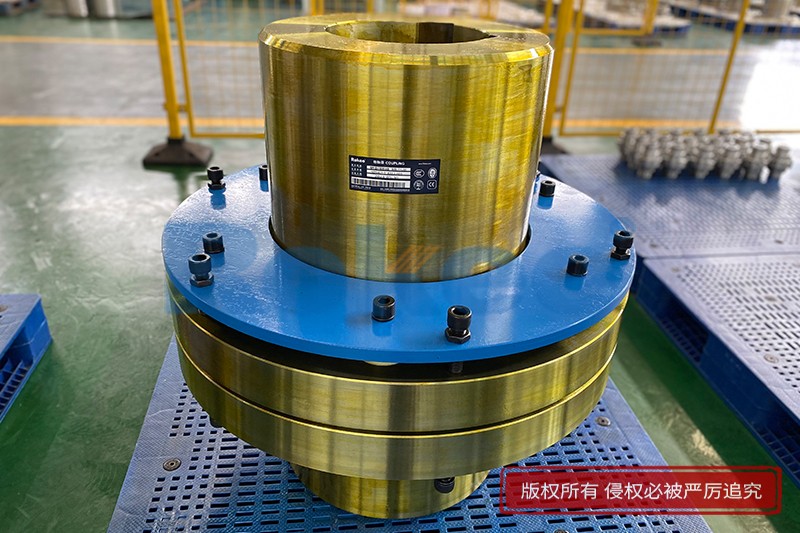
The Generator Coupling is a mechanical component used to connect two shafts (the driving shaft and the driven shaft) in different mechanisms to rotate together and transmit torque. In high-speed and heavy-duty power transmission, some couplings also have the functions of buffering, vibration reduction, and improving the dynamic performance of the shaft system.
In the global energy ecosystem, the stability and reliability of power supply stand as fundamental pillars supporting industrial production, social operation, and daily life. With the accelerating pace of industrial modernization and the continuous expansion of power demand scenarios, generator sets have become indispensable core equipment in both on-grid power generation and emergency backup power systems. Among the numerous components that constitute a generator set, the generator coupling, though often overlooked, plays a pivotal role as a "mechanical bridge" connecting the prime mover (such as diesel engines, gas turbines, or wind turbines) and the generator. It is not merely a simple connecting part but a key component that ensures efficient power transmission, mitigates operational risks, and extends the service life of the entire unit.
At its core, a generator coupling is designed to transmit torque from the prime mover's output shaft to the generator's input shaft while addressing the inevitable misalignments and dynamic loads that occur during operation. In the operation of a generator set, the prime mover converts thermal energy, kinetic energy, or other forms of energy into mechanical torque, which must be efficiently and stably transferred to the generator to drive the rotor rotation and generate electricity. However, due to factors such as manufacturing tolerances, installation errors, thermal expansion and contraction during operation, and structural deformation under load, the axes of the prime mover and the generator can never be perfectly aligned. Additionally, the prime mover itself generates periodic vibrations during operation, which, if directly transmitted to the generator, can severely affect the quality of power generation and even damage key components such as bearings and windings. The generator coupling solves these problems through its unique structural design, making it a crucial guarantee for the safe and efficient operation of the generator set.
The primary functions of generator couplings can be summarized into four key aspects. Firstly, torque transmission is the most basic and core function. The coupling must reliably transmit the full range of torque output by the prime mover to the generator, ensuring that the generator can operate at the rated speed and output the required power. This requires the coupling to have sufficient load-bearing capacity and structural strength to withstand the dynamic torque fluctuations during start-up, load changes, and shutdown processes. Secondly, misalignment compensation is essential for adapting to the inevitable axial, radial, and angular misalignments between the two shafts. Axial misalignment occurs when the shafts move along their central axes; radial misalignment refers to the offset of the central axes of the two shafts in the radial direction; angular misalignment is the inclination of the two shafts relative to each other. A high-performance coupling can absorb these misalignments without generating excessive additional forces, thereby reducing wear on bearings and shafts. Thirdly, vibration damping and shock absorption are critical for improving the operational stability of the generator set. The prime mover, especially internal combustion engines, generates periodic mechanical vibrations due to the reciprocating motion of pistons and the combustion process. The coupling can absorb and dissipate these vibrational energies through elastic components or damping structures, preventing them from being transmitted to the generator and reducing noise and vibration of the entire unit. Fourthly, overload protection is an important safety function of some specialized couplings. When the generator set encounters sudden overloads or jamming faults, these couplings can disconnect the power transmission or slip to avoid excessive torque from damaging the prime mover, generator, and other key components, thus protecting the safety of the entire power system.
Based on their structural characteristics and working principles, generator couplings can be divided into two main categories: rigid couplings and flexible couplings. Each category has distinct characteristics and is suitable for different application scenarios, and the selection must be based on the type of prime mover, operating conditions, and performance requirements of the generator set.
Rigid couplings are characterized by a rigid connection between the two half-couplings, which do not have elastic components or relative displacement capacity. Their main advantage lies in simple structure, high transmission efficiency (close to 100%), strong torque-bearing capacity, and low manufacturing and maintenance costs. Common types of rigid couplings include flange couplings, clamp couplings, and sleeve couplings. Flange couplings consist of two flanges (half-couplings) fixed to the shafts of the prime mover and the generator, which are connected by bolts to achieve torque transmission. They have high coaxiality and are suitable for scenarios where the two shafts can be accurately aligned and the load is stable. Clamp couplings, also known as split couplings, are composed of two semicircular clamp shells that are fastened by bolts to clamp the two shafts, transmitting torque through friction between the clamp shells and the shafts. They are easy to install and disassemble without moving the connected shafts, making them suitable for medium and low-speed, stable-load applications. However, rigid couplings have obvious limitations: they cannot compensate for any misalignments between the two shafts, nor can they dampen vibrations or absorb shocks. If the coaxiality of the two shafts is not properly adjusted during installation, excessive additional forces will be generated during operation, leading to premature wear of bearings, shafts, and other components. Therefore, rigid couplings are typically used in small and medium-sized generator sets with stable loads, low speeds, and high-precision alignment requirements, such as small diesel generator sets for household or small commercial use.
Flexible couplings, in contrast, are equipped with elastic components (such as rubber, polyurethane, or metal springs) between the two half-couplings, which enable them to compensate for misalignments, dampen vibrations, and absorb shocks. Due to these superior performance characteristics, flexible couplings are widely used in modern generator sets, especially in large-scale, high-speed, and variable-load applications. According to the type of elastic components and damping mechanisms, flexible couplings can be further divided into elastic sleeve pin couplings, elastic pin couplings, diaphragm couplings, and high-elastic couplings.
Elastic sleeve pin couplings use rubber or polyurethane elastic sleeves to cover the pins, relying on the deformation of the elastic sleeves to compensate for radial and angular misalignments and absorb vibrations. They have the advantages of simple structure, low cost, and easy maintenance, making them suitable for small and medium-sized generator sets with moderate speed and load fluctuations, such as small gas generator sets. Elastic pin couplings replace the elastic sleeves with elastic pins made of rubber or nylon, which have higher torque-bearing capacity and better wear resistance than elastic sleeve pin couplings. They are widely used in diesel generator sets and steam turbine generator sets with medium power and speed.
Diaphragm couplings are a type of high-performance flexible coupling that uses metal diaphragms (usually made of stainless steel) as elastic components. The metal diaphragms have high strength, fatigue resistance, and temperature resistance, and can compensate for axial, radial, and angular misalignments through their own bending deformation. They have the advantages of high transmission efficiency, no lubrication required, compact structure, and suitability for high-speed and high-temperature environments. Unlike couplings with rubber elastic components, diaphragm couplings do not have the problem of elastic component aging, so they have a long service life and high reliability. They are widely used in large-scale steam turbine generator sets, gas turbine generator sets, and wind power generator sets, where high speed, high power, and high reliability are required.
High-elastic couplings, also known as tire couplings or rubber block couplings, use large elastic components (such as rubber tires or rubber blocks) to achieve torque transmission and misalignment compensation. They have excellent vibration damping and shock absorption capabilities, can compensate for large radial and angular misalignments, and are suitable for generator sets with severe load fluctuations and large vibration, such as large diesel generator sets used in construction sites, mining areas, and marine environments. The elastic components of high-elastic couplings can effectively absorb the impact load during start-up and load changes, protecting the prime mover and generator from damage. However, their transmission efficiency is slightly lower than that of diaphragm couplings, and the elastic components are prone to aging and wear under high-temperature or long-term heavy-load conditions, requiring regular inspection and replacement.
The selection of a suitable generator coupling is a critical step in ensuring the optimal performance and reliability of the generator set. The selection process must take into account multiple factors, including the type and power of the prime mover, the rated speed of the generator, operating conditions (such as load stability, vibration level, and ambient temperature), misalignment compensation requirements, and maintenance conditions. A scientific and reasonable selection can not only improve the operational efficiency of the generator set but also reduce maintenance costs and extend the service life of the equipment.
Firstly, the type of prime mover is a key factor in coupling selection. For internal combustion engines (such as diesel engines and gas engines) that generate large vibrations and torque fluctuations during operation, flexible couplings with good vibration damping performance (such as high-elastic couplings or diaphragm couplings) should be prioritized. This is because the periodic vibrations of internal combustion engines can be effectively absorbed by flexible couplings, reducing the impact on the generator. For steam turbines or hydraulic turbines with stable operation and small vibrations, rigid couplings or diaphragm couplings with high transmission efficiency can be selected. For wind turbines that are subject to variable wind loads and large misalignments due to blade rotation, diaphragm couplings or high-elastic couplings with strong misalignment compensation capabilities are more suitable.
Secondly, the power and speed of the generator set directly determine the torque-bearing capacity and rotational speed limit of the coupling. The coupling must have a rated torque greater than or equal to the maximum torque output by the prime mover, and a maximum allowable speed greater than the rated speed of the generator set. For large-scale generator sets with high power and high speed (such as 1000kW and above, with a speed of 1500rpm or higher), diaphragm couplings with high strength and high-speed performance should be selected. For small and medium-sized generator sets with low power and low speed, elastic sleeve pin couplings or clamp couplings can meet the requirements at a lower cost.
Thirdly, operating conditions such as load stability, ambient temperature, and working environment must be considered. In scenarios with stable loads (such as continuous power generation in power plants), rigid couplings or diaphragm couplings with high transmission efficiency can be used. In scenarios with frequent load changes or impact loads (such as construction site generator sets, emergency backup generator sets), high-elastic couplings with strong shock absorption capabilities should be selected. For generator sets operating in harsh environments such as high temperature (above 100°C), low temperature (below -20°C), high humidity, or corrosive atmospheres, couplings with high-temperature resistant, low-temperature resistant, or corrosion-resistant materials (such as stainless steel diaphragms, special rubber materials) should be chosen. For example, in marine generator sets operating in high-humidity and salt-spray environments, couplings with anti-corrosion coatings and stainless steel components are necessary to prevent rust and corrosion.
Fourthly, misalignment compensation requirements are an important basis for selecting between rigid and flexible couplings. If the installation environment of the generator set is limited, and it is difficult to achieve high-precision alignment between the prime mover and the generator, or if thermal expansion and contraction during operation are likely to cause changes in shaft alignment, flexible couplings with strong misalignment compensation capabilities (such as high-elastic couplings) should be selected. If high-precision alignment can be achieved and maintained, rigid couplings or diaphragm couplings can be used to ensure high transmission efficiency.
Finally, maintenance conditions and cost factors should also be taken into account. For generator sets installed in remote areas (such as offshore platforms, mountainous areas) where maintenance is inconvenient, couplings with long service life and low maintenance requirements (such as diaphragm couplings) should be selected. For generator sets with tight budget constraints, cost-effective couplings (such as elastic sleeve pin couplings, clamp couplings) can be chosen on the premise of meeting basic performance requirements.
In addition to scientific selection, correct installation and alignment of the generator coupling are crucial to ensuring its normal operation and the reliability of the entire generator set. Improper installation or misalignment can lead to excessive vibration, increased wear, reduced power transmission efficiency, and even premature failure of the coupling and other components. The installation and alignment process of generator couplings should follow strict operating procedures.
Firstly, pre-installation inspection is essential. Before installation, the coupling halves, shafts, bolts, and elastic components should be inspected for damage, deformation, or wear. The mating surfaces of the shafts and couplings should be cleaned to remove oil, rust, and debris to ensure a tight fit. For flexible couplings, the elastic components should be checked for aging, cracking, or hardness changes; if any defects are found, they should be replaced in a timely manner. Additionally, the dimensions of the shaft holes, keys, and keyways of the couplings should be inspected to ensure they match the shafts of the prime mover and generator.
Secondly, shaft alignment (centering) is the core link of coupling installation. As mentioned earlier, even flexible couplings have limited misalignment compensation capabilities; excessive misalignment will significantly reduce their service life and performance. Shaft alignment can be divided into static alignment and dynamic alignment. Static alignment is performed when the generator set is not operating, using tools such as a dial indicator or a laser alignment instrument to measure the coaxiality of the two shafts. Dynamic alignment is performed during the operation of the generator set, taking into account the thermal expansion and contraction of the shafts and structural deformation under load, and adjusting the alignment based on the measured data. Laser alignment instruments are widely used in modern installation due to their high precision, fast measurement speed, and easy operation. During the alignment process, the prime mover and generator should be fixed on a stable foundation to prevent vibration or displacement during operation. The alignment allowable values should comply with the coupling manufacturer's specifications; generally, the radial misalignment should not exceed 0.1mm, and the angular misalignment should not exceed 0.1mm/m.
Thirdly, the installation method should be selected based on the type of coupling and the fit between the coupling and the shaft. For rigid couplings with interference fit (such as flange couplings), heating the coupling (thermal fitting) or cooling the shaft (cold fitting) can be used to achieve assembly. Thermal fitting is a common method: the coupling is heated to a certain temperature (usually 80-120°C) to expand its inner hole, then quickly sleeved onto the shaft, and the coupling is tightly fitted to the shaft as it cools and contracts. During thermal fitting, care should be taken to control the heating temperature to avoid overheating that may damage the coupling material. For flexible couplings with elastic components, the elastic pins or sleeves should be installed correctly to ensure they are not skewed or stressed; the bolts should be tightened evenly according to the specified torque to avoid uneven force on the coupling halves.
Finally, after installation, a test run should be performed to check the operation of the coupling. During the test run, the generator set should be started gradually, and the vibration, noise, and temperature rise of the coupling should be monitored. If abnormal vibration or noise is found, or if the temperature rise exceeds the limit, the operation should be stopped immediately, and the alignment and installation quality should be rechecked. After the test run is completed and the performance is stable, the installation can be considered qualified.
Regular maintenance and timely maintenance of generator couplings are essential to extend their service life and ensure the long-term stable operation of the generator set. The maintenance strategy should be formulated based on the type of coupling, operating conditions, and operating hours, focusing on inspection, lubrication, and component replacement.
Firstly, regular inspection is the basis of maintenance. For generator sets in continuous operation, the coupling should be inspected at least once every 6 months; for those in harsh environments or with frequent load changes, the inspection interval should be shortened to 3 months or less. The inspection contents include: the surface condition of the coupling (whether there is corrosion, deformation, or cracks), the tightness of bolts (whether there is loosening or torque loss), the wear and aging of elastic components (for flexible couplings), the temperature rise of the coupling during operation, and the vibration level. For diaphragm couplings, the diaphragms should be inspected for fatigue cracks; for high-elastic couplings, the rubber components should be checked for hardening, cracking, or peeling. If any defects are found during inspection, they should be recorded and repaired or replaced in a timely manner.
Secondly, lubrication maintenance is crucial for couplings that require lubrication (such as some rigid couplings and flexible couplings with rolling elements). The lubricating oil or grease should be selected according to the coupling's operating temperature, speed, and load. The lubrication points should be regularly filled with lubricant, and the old lubricant should be replaced periodically to prevent wear and corrosion caused by lubricant degradation. For example, clamp couplings rely on friction for torque transmission, and an appropriate amount of anti-seize lubricant should be applied to the mating surfaces to prevent seizure and facilitate disassembly. However, it should be noted that some flexible couplings (such as diaphragm couplings) do not require lubrication, and excessive lubricant may contaminate the elastic components and affect their performance.
Thirdly, timely replacement of worn components is necessary to avoid further damage. Elastic components of flexible couplings (such as rubber sleeves, elastic pins, and diaphragms) have a limited service life and are prone to aging and wear under long-term operation. They should be replaced according to the manufacturer's recommended service life or when obvious defects are found during inspection. Bolts and nuts should also be checked regularly; if they are found to be worn, deformed, or corroded, they should be replaced with new ones of the same specification to ensure the connection strength. When replacing components, the original specifications and materials should be strictly followed to avoid performance degradation caused by mismatched components.
Fourthly, preventive maintenance should be carried out based on operating experience and fault records. By analyzing the fault types and causes of the coupling, targeted preventive measures can be formulated. For example, if the coupling bolts are frequently loosened, locking washers or thread-locking agents can be used to enhance the locking effect; if the elastic components are aging quickly due to high ambient temperature, heat-insulating measures can be taken or high-temperature resistant components can be replaced. Additionally, the foundation of the generator set should be inspected regularly to prevent foundation settlement or deformation from affecting the shaft alignment of the coupling.
With the continuous development of the energy industry and the increasing demand for high-efficiency, high-reliability power supply, generator couplings are also facing new development trends. In the future, the research and development of generator couplings will focus on the following directions:
Firstly, high-performance material application will become a key development direction. The use of advanced materials such as high-strength composite materials, titanium alloys, and special engineering plastics will further improve the strength, fatigue resistance, and corrosion resistance of couplings. For example, composite material diaphragms have the advantages of light weight, high strength, and good corrosion resistance, which can reduce the weight of the coupling and improve the dynamic balance performance. Special rubber materials with high-temperature resistance, low-temperature resistance, and oil resistance can extend the service life of elastic components in harsh environments.
Secondly, intelligent monitoring and diagnostic technology will be integrated into couplings. With the development of the Industrial Internet of Things (IIoT), sensors (such as torque sensors, vibration sensors, and temperature sensors) will be embedded in the coupling to real-time monitor key operating parameters such as torque, vibration, temperature, and misalignment. The collected data will be transmitted to the control system through wireless communication technology, and the operating status and remaining service life of the coupling will be analyzed using big data and artificial intelligence algorithms. This will enable predictive maintenance of the coupling, allowing potential faults to be detected and addressed before they occur, thus improving the reliability of the generator set and reducing maintenance costs.
Thirdly, structural optimization and lightweight design will be emphasized. By using finite element analysis and other advanced simulation technologies, the structure of the coupling can be optimized to reduce weight while ensuring strength and performance. Lightweight couplings can reduce the inertia of the rotating components, improve the dynamic response speed of the generator set, and reduce energy consumption. Additionally, compact structural design will enable couplings to adapt to the increasingly small installation space of modern generator sets, especially in mobile generator sets and offshore wind power generator sets.
Fourthly, environmental protection and energy conservation will become important design criteria. In the manufacturing process of couplings, environmentally friendly materials and processes will be adopted to reduce environmental pollution. For example, water-based coatings will replace solvent-based coatings to reduce volatile organic compound (VOC) emissions. Additionally, the improvement of transmission efficiency will further reduce energy loss, contributing to the energy conservation of the entire generator set.
In conclusion, generator couplings are indispensable key components in generator sets, undertaking the important tasks of torque transmission, misalignment compensation, vibration damping, and overload protection. Their performance directly affects the efficiency, reliability, and service life of the entire power system. The selection of the appropriate coupling type, correct installation and alignment, and regular maintenance are essential to ensure the optimal operation of the generator set. With the continuous advancement of material science, intelligent technology, and simulation technology, generator couplings will move towards higher performance, intelligence, and environmental protection, providing more reliable support for the stable development of the global energy industry. For engineers and operators in the power field, a deep understanding of the working principles and application requirements of generator couplings is of great significance for improving the operational management level of generator sets and promoting the efficient utilization of energy.
« Generator Couplings » Post Date: 2023/12/26
URL: //5008517517.com/en/tags/generator-couplings.html